

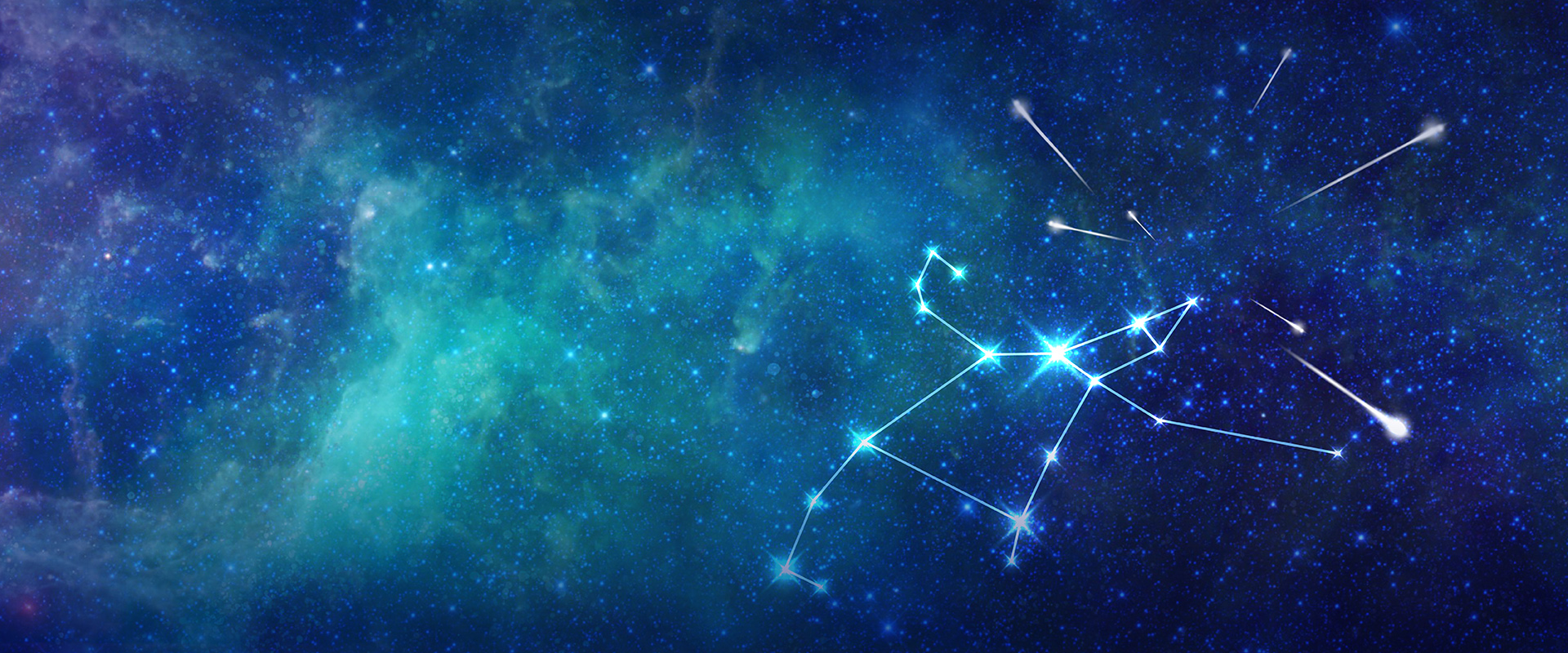
Perseid Meteor Shower
Imagine gazing up at the night sky when suddenly streaks of light whizz across your view. These shooting stars are meteors, which are small bodies from space burning up in Earth’s atmosphere. While it might seem like you have to be lucky to spot one, there are certain times of the year when you’re more likely to see meteors. “Meteor showers” are astronomical phenomena that recur every year. As meteors appear more frequently in the Quadrantids, the Perseids and the Geminids, these events are known as the three major meteor showers. Compare with the other two major meteor showers, the meteors of a Perseid meteor shower are relatively faster and brighter.
Origin of meteor showers
Comets are icy bodies made of frozen gases, rock and dust. As comets orbit the sun, solar radiation vaporises the comet’s surface, leaving behind trails of debris. This debris is what makes meteoroids. Meteoroids can also come from rocky objects in space called asteroids.
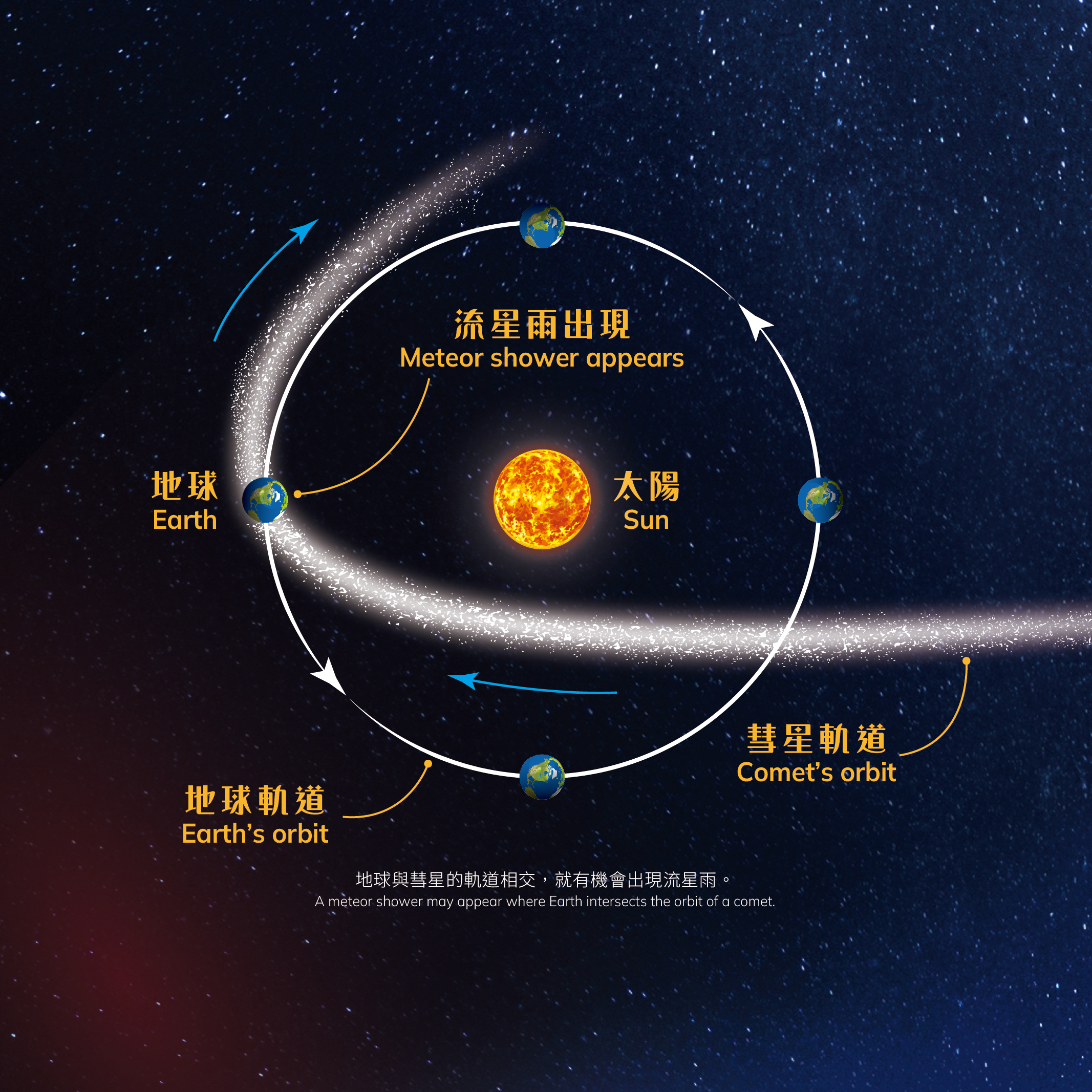
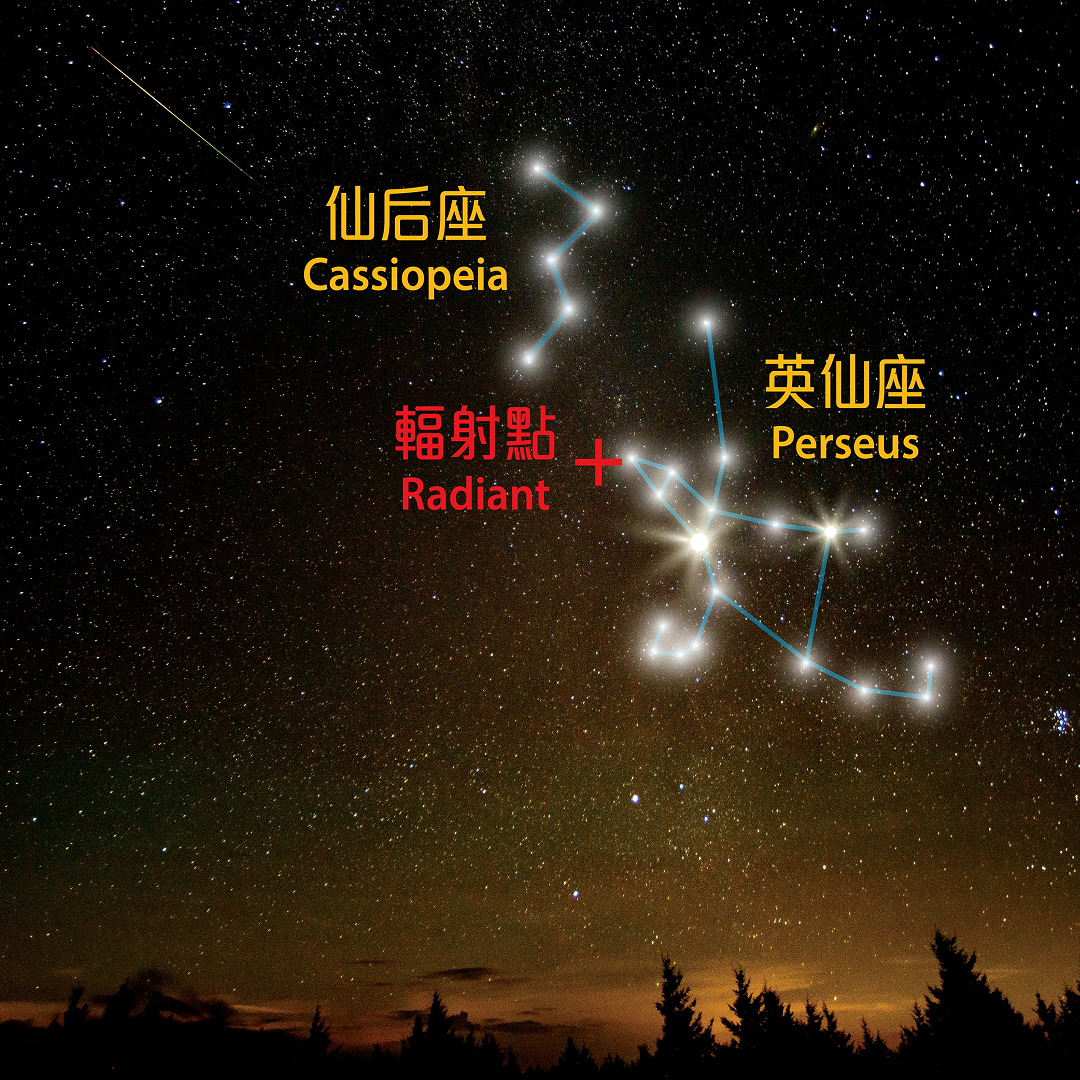
When Earth passes through a comet’s trails, many meteoroids enter the planet’s atmosphere at high speeds. They burn up and become meteors, creating spectacular displays of light known as meteor showers. Since the path of the comet’s debris around the sun stays the same relative to Earth’s orbit, we will always encounter certain debris trails at about the same time every year. This means we can see meteor showers roughly around the same time each year. Meteoroids share almost the same orbit with their parent comet. When huge amount of meteoroids enter Earth as meteors, they originate from a certain point in the sky known as the "radiant". A meteor shower is named according to the constellation where the radiant is located. For example, when the radiant sits at the constellation Perseus, we call the meteor shower event the Perseid meteor shower.
Perseid meteor shower 2024
The Perseid meteor shower was active between 17 July and 24 August in 2024. It was estimated that the zenithal hourly rate might reach 100 during the peak from 9:00 pm on 12 August to midnight. The radiant of the Perseid meteor shower rised in the northeast at about 10:00 pm. More meteors should be seen when the radiant was at a higher altitude. Welcome to replay the live streaming of the Perseid meteor shower 2024 on HKSpM YouTube Channel.