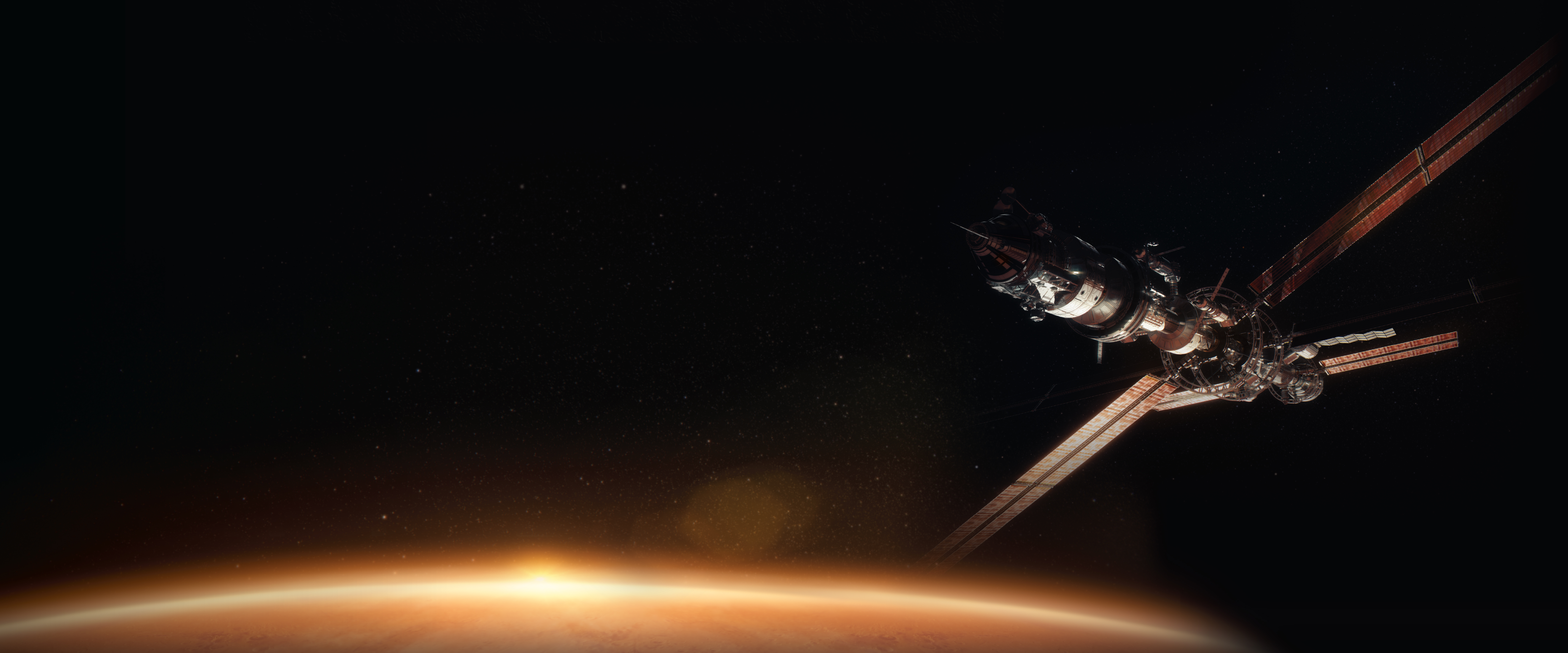
Throughout the ages, humanity’s gaze has always followed the glittering stars, dreaming of leaving our footprints on other worlds one day.
Unleashing the 3D capabilities of the dome theatre, the 3D Dome Show Explore 3D unfolds a grand chapter across centuries, transforming the scientific journey and abstract laws of physics into an immersive visual experience. Through a series of stunning and richly detailed scenes, the show bridges the past and future of astronomy while taking audiences to see how pioneering scientists reshaped our understanding of the Universe and gradually uncovered the mysteries of celestial motion. These insights laid the foundation for modern space exploration, paving the way towards the dream of landing on Mars.
Step into the Space Theatre to join this extraordinary odyssey and witness how science and grand aspirations have ignited humanity’s courage to venture into the unknown, continuing to reach for the stars and explore the Universe.
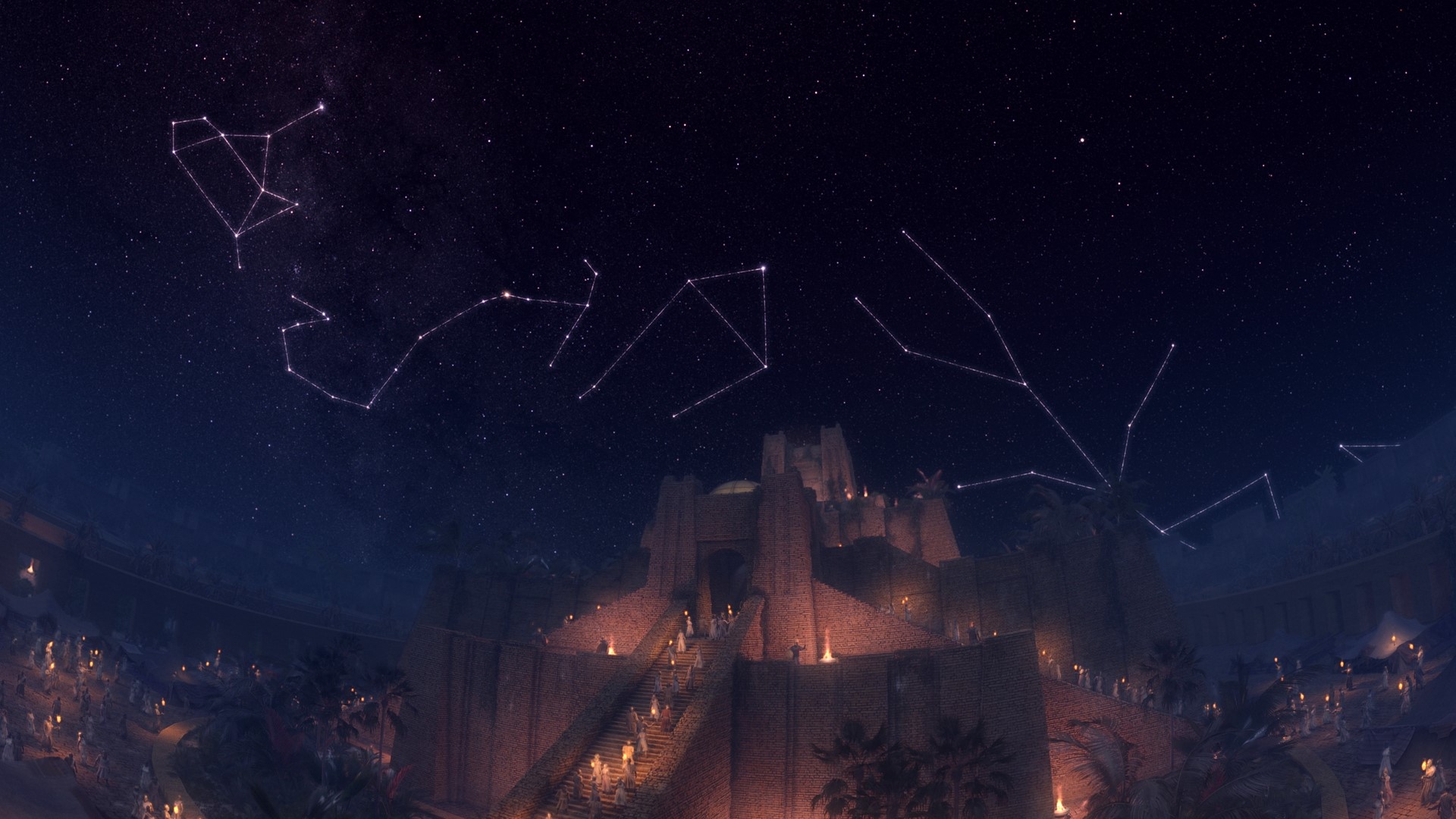
Ancient civilisations carefully observed the movements of celestial objects across the skies. They grouped the stars into constellations and divided the sky into degrees to establish the earliest zodiac system. This enabled scholars to track the relative paths of Sun and Moon more precisely across the zodiac, which in turn helped predict eclipses.
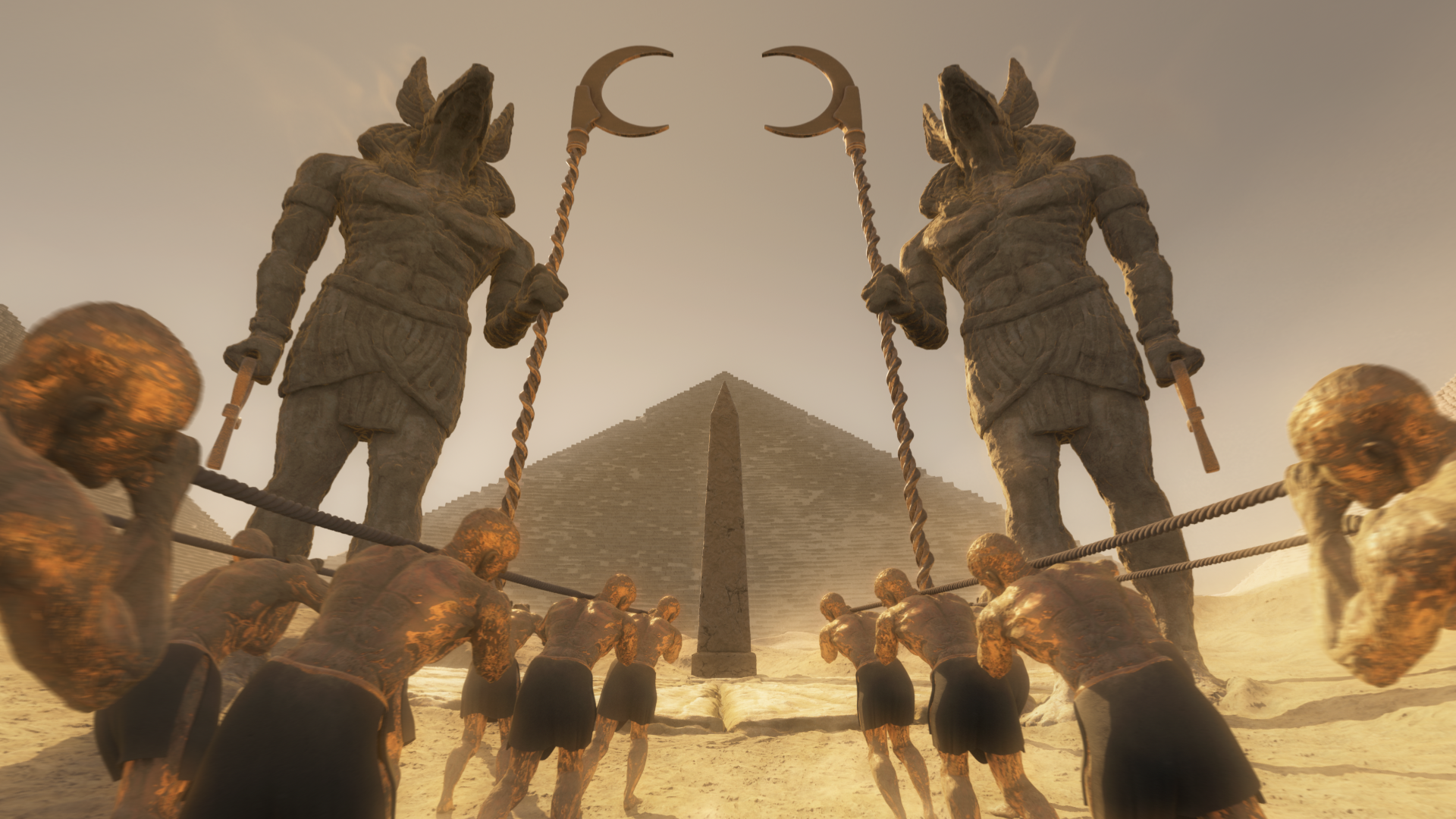
By 3000 BC, the ancient Egyptians started to mark the time using a calendar. They divided a year into 365 days and a day into 24 parts. The calendar system helped them organise farming, religious festivals and daily activities.
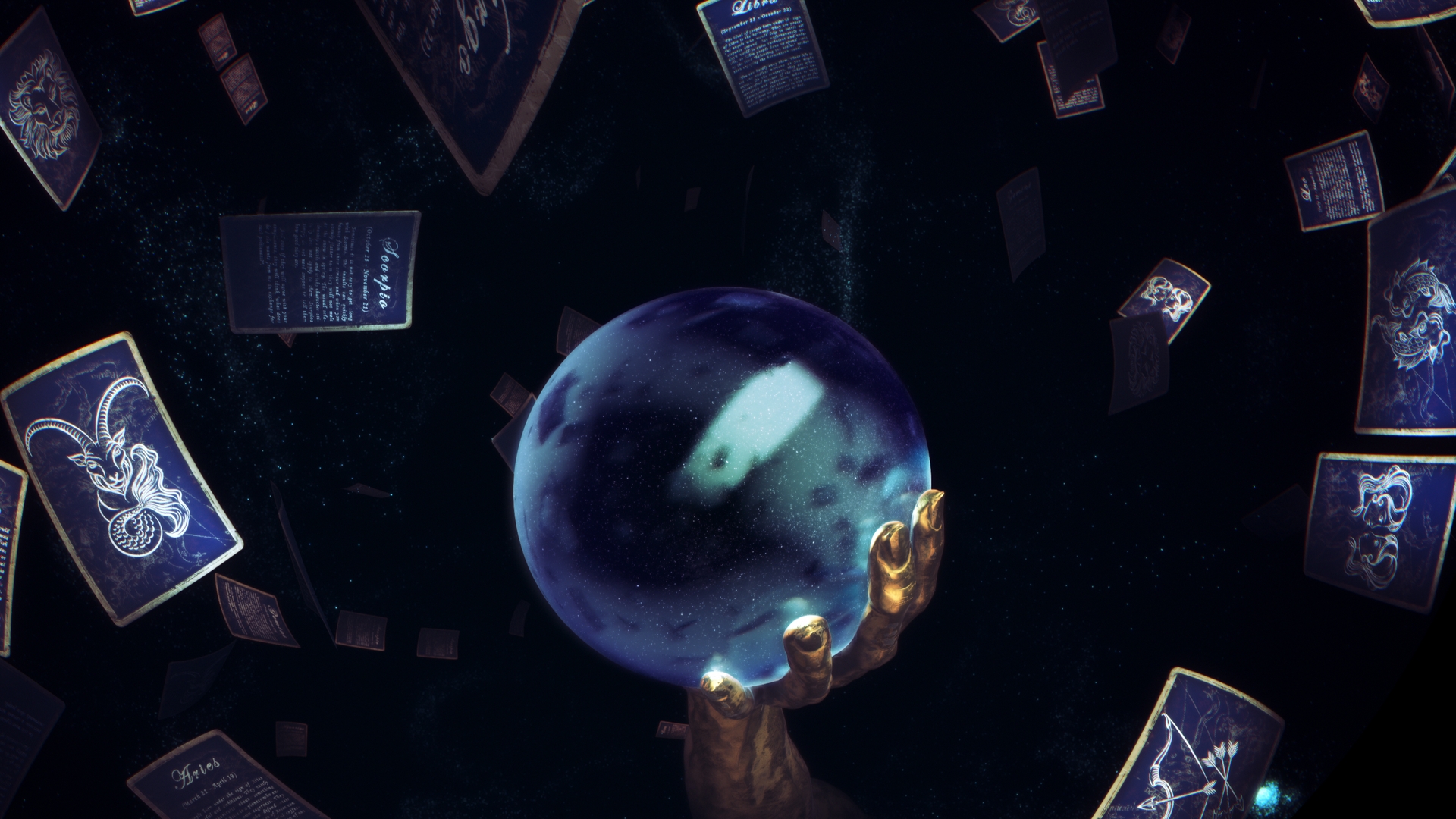
Ancient people firmly believed that the stars controlled human fates, so they developed astronomy to calculate the movements of celestial objects. At that time, however, astronomy was seen merely as a servant of astrology, offering rulers a sense of control. The superior position of astrology remained until the seventeenth century.
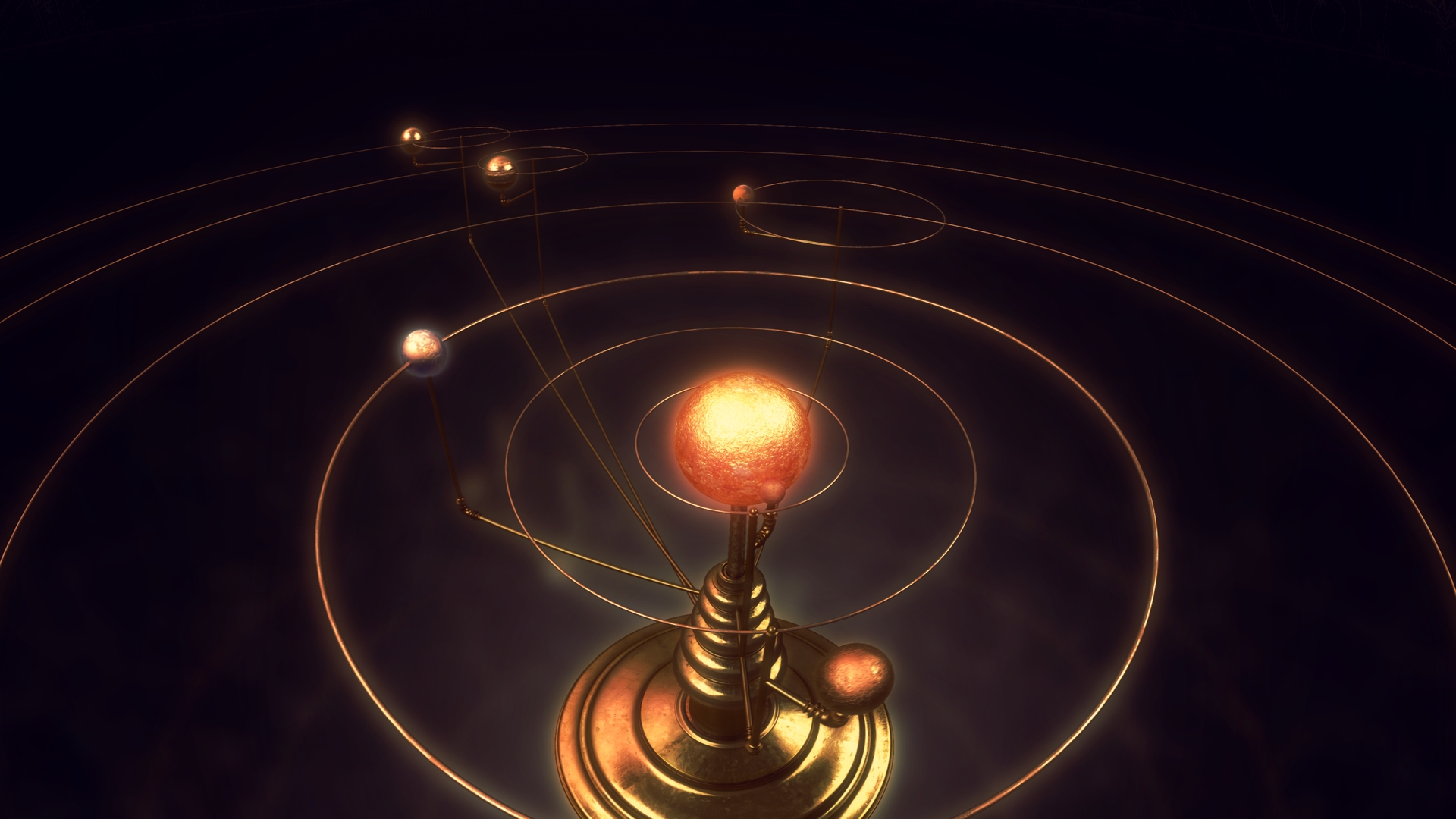
The Polish scholar Nicolaus Copernicus proposed the heliocentric model, which placed the Sun, rather than the Earth, at the centre of the Universe, laying the foundation for the subsequent development of astronomy.
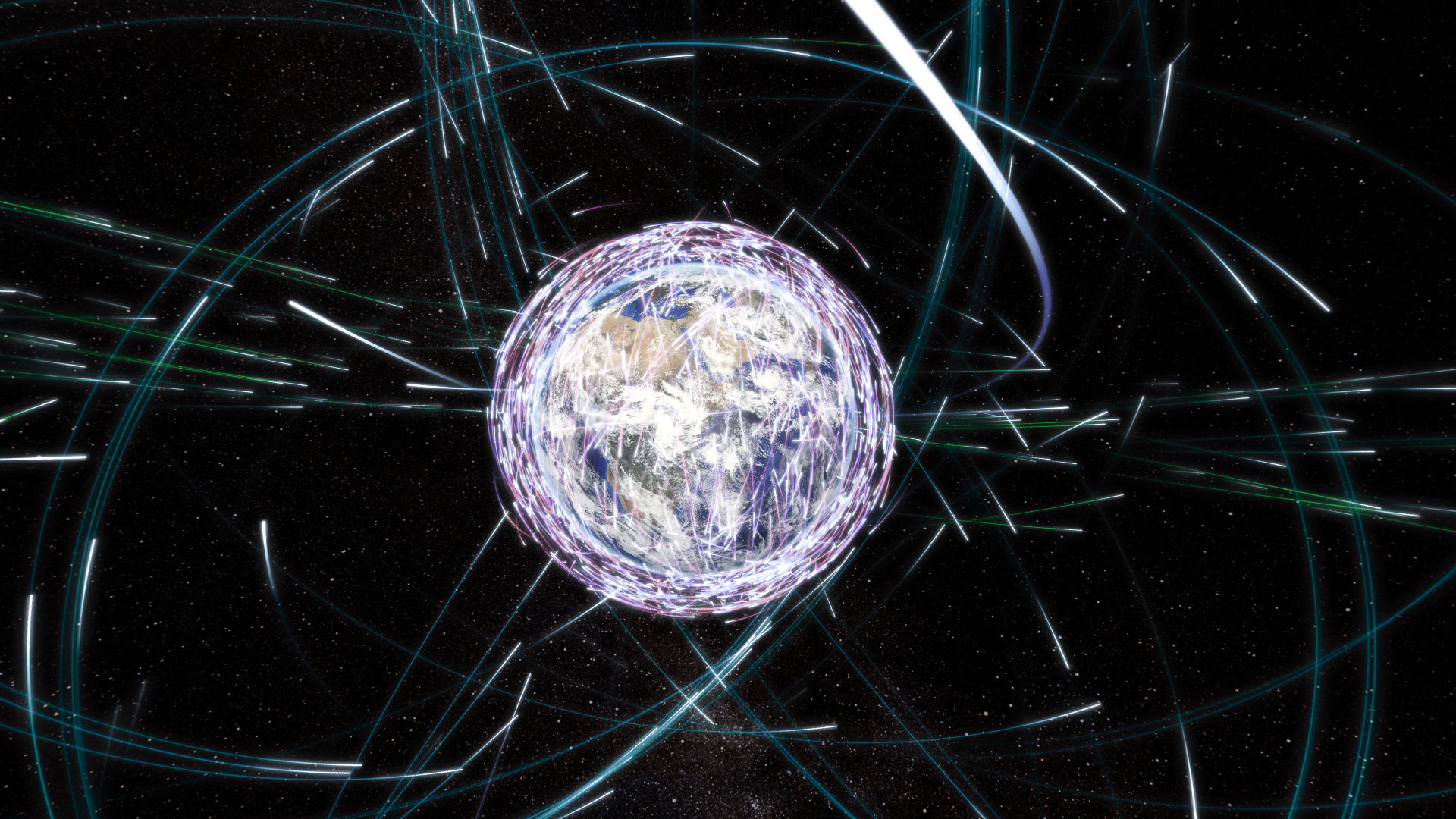
Kepler’s laws are the core of spaceflight, enabling us to calculate the orbits of spacecraft and control thousands of artificial satellites.
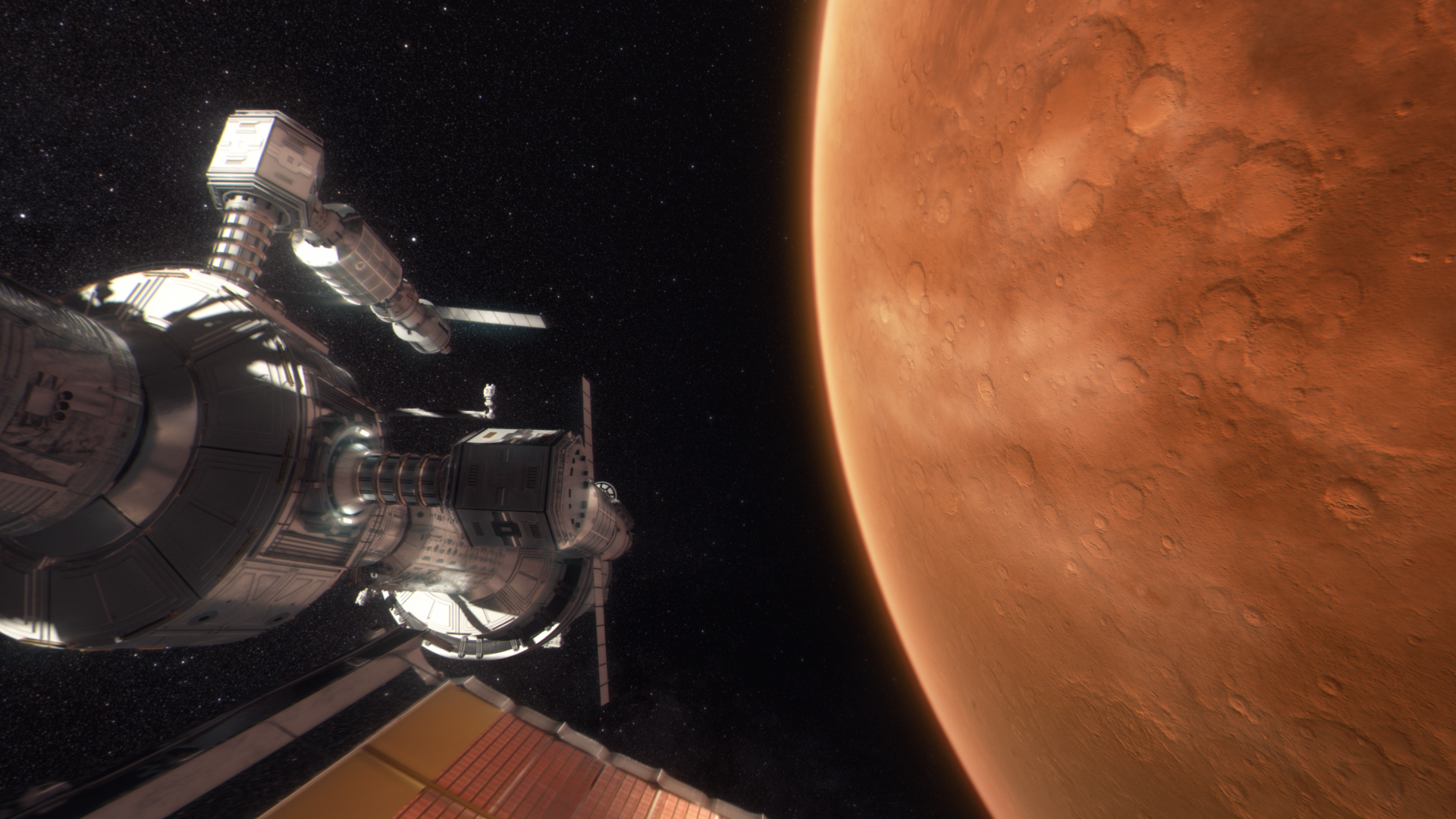
Mars has long captivated us. Despite the challenges of travelling hundreds of millions of kilometres through space and enduring harmful radiation, the efforts of past generations of scientists have enabled us to take great leaps towards this dream.
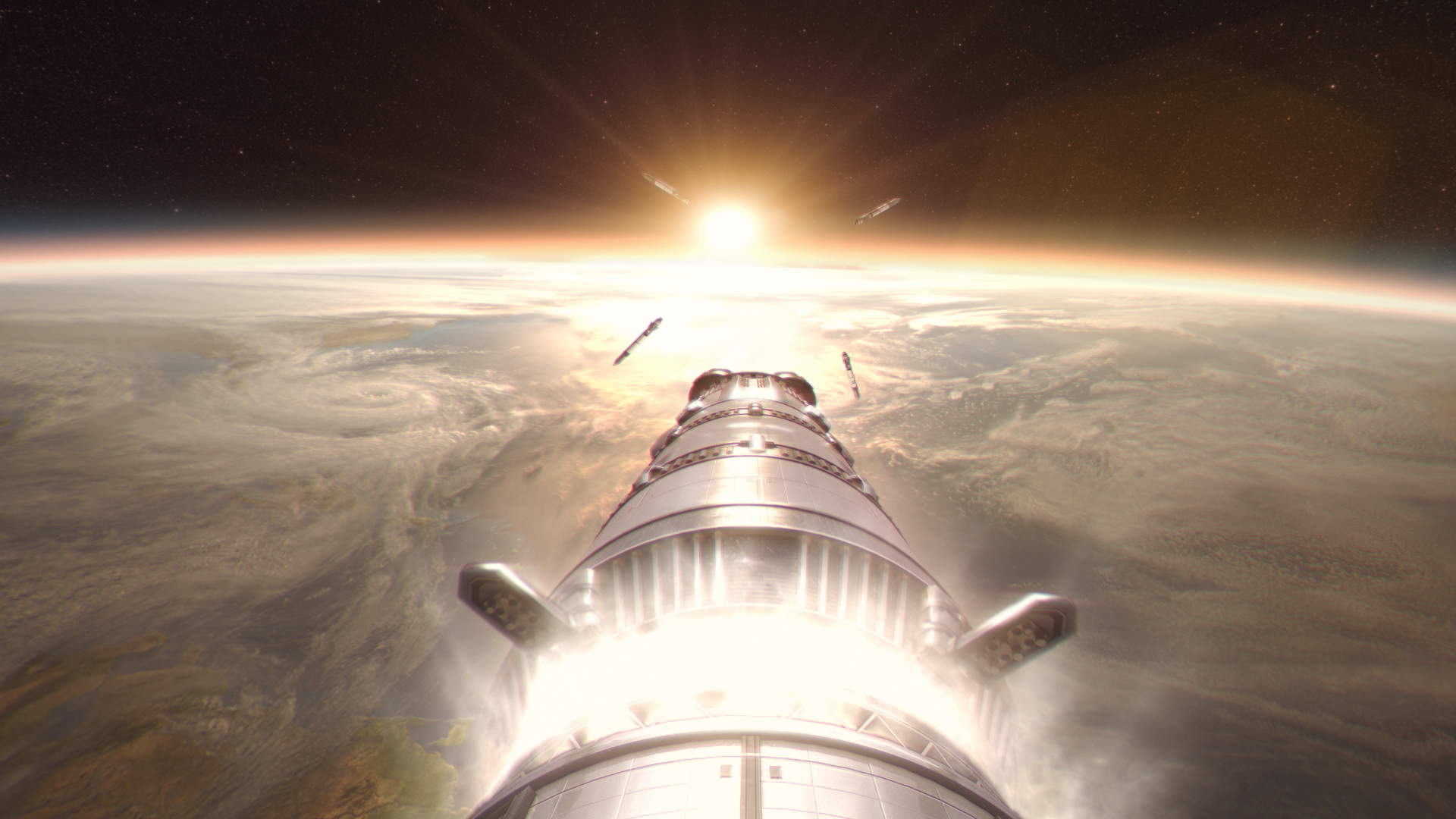
Scientists apply Kepler’s laws and Hohmann transfer to allow the spacecraft to follow the most fuel-efficient orbit. Precise calculations and manoeuvres allow the spacecraft to dock with the space station, which is travelling at over 20 times the speed of sound.
Production & Copyright: Creative Planet
| Show: | 3D Dome Show Explore 3D |
| Show Period: | 15 October 2026 to 14 July 2027 |
| Show Schedule : |
Monday, Wednesday to Friday: 2:00 pm and 6:30 pm Saturday, Sunday and public holiday: 12:30 pm and 5:00 pmClosed on Tuesdays (except public holiday), and the first two days of the Chinese New Year Christmas Eve and Chinese New Year’s Eve: closed at 5 pm For more information on the show schedule of other shows, please refer to Space Theatre Show Schedule |
| Venue: | Space Theatre, Hong Kong Space Museum |
| Admission Fees: | Standard Admission: $40 (stalls), $30 (front stalls) Concession Admission: $20 (stalls), $15 (front stalls)
|
| Show Duration: | 28 minutes |
| Language: | Sessions at 6:30pm on Monday and Thursday (except public holiday) are in English. All other sessions are in Cantonese. Audience can also select the following languages with the multi-channel headphone system: Cantonese, Putonghua and English |
| Ticketing: |
Please refer to "Ticketing Information"
|
| Seating plan: | Please refer to Space Theatre Seating Plan |
All programmes and prices are subject to change without prior notice.
Note: Audience do not have to bring their own 3D glasses for the 3D Dome Show. The Space Theatre uses active 3D glasses which is specialised for the 3D Dome Shows of the Hong Kong Space Museum and is not usable for other 3D programmes, or any other purposes.