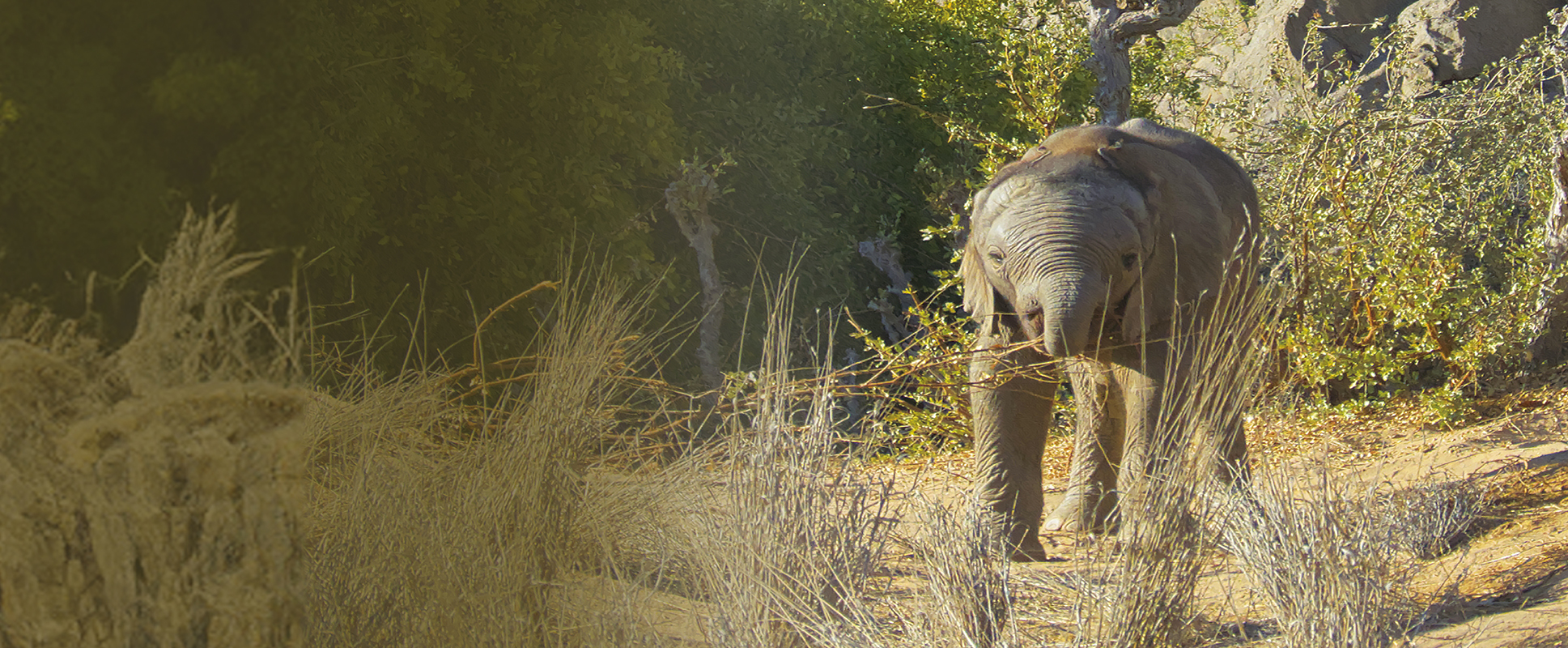
Across the ancient and arid sands of Namib Desert in Africa, the oldest desert on Earth, desert elephants struggle for survival with remarkable endurance. Led by the matriarch, they trek across the endless sea of dunes day after day in search of the scarce food and water supply that help sustain life.
The Dome Show Desert Elephants: The Adventures of Little Foot takes the audience to follow a baby elephant named “Little Foot” on an extraordinary desert odyssey. Barely a month old, she must travel alongside her family through a harsh wilderness, learning to skilfully control her trunk and master the survival skills passed down through generations as she faces threats from predators and relentless sandstorms.
Audience will be moved by the legacy of these desert elephants, how they sustain life by family wisdom and deep emotional bonds in one of nature’s extreme environments.
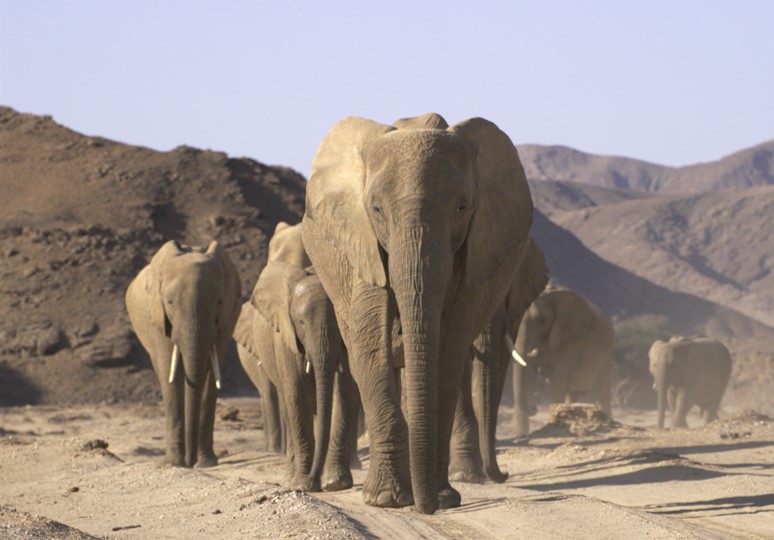
The desert elephant herd is primarily female, led by an experienced matriarch. She has a mental map of every water source and feeding ground in the valley.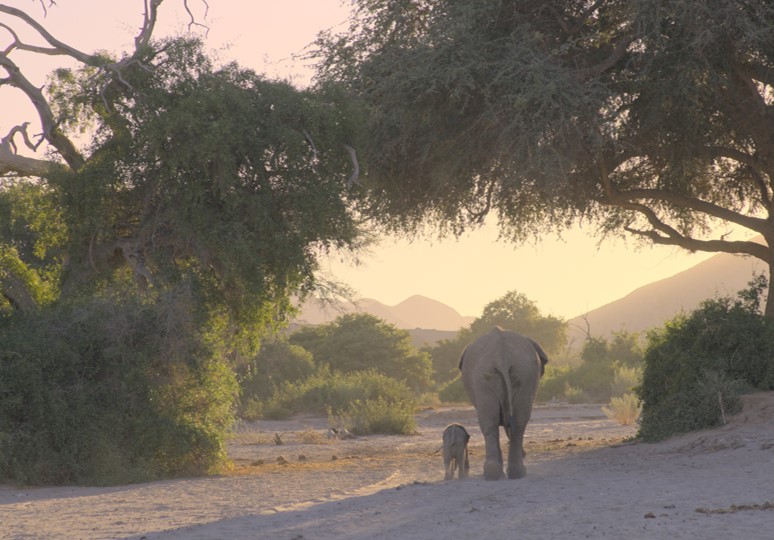
For desert elephants, the mother-and-daughter bond is exceptionally strong. What few people know is that mother elephants continue to nurse daughter elephants for up to seven years. Even after weaning, daughter elephants remain by their mothers’ side for life.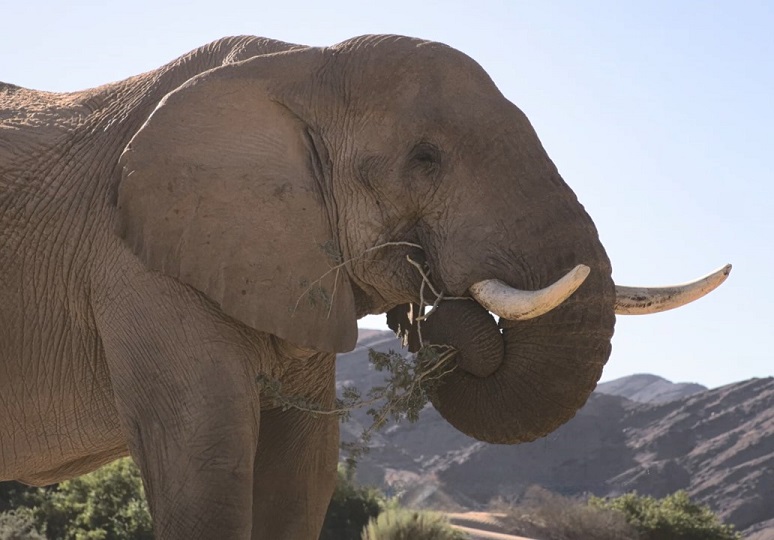
Desert elephants eat virtually everything from plants, from leaves and flowers to branches and dead wood. The protein-rich, sweet seeds of Ana trees are a particular delicacy for them.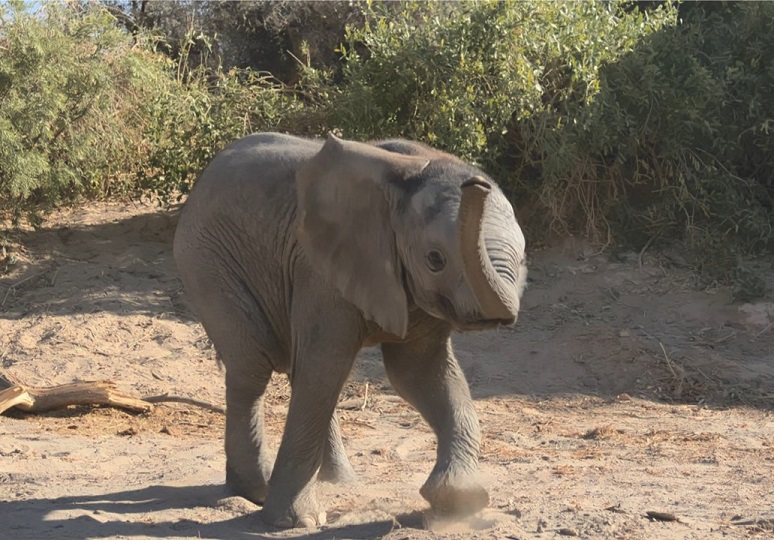
A desert elephant’s trunk is a combination of nose and upper lip, and has over 150,000 muscle bundles. It takes nearly a year for a young elephant to fully master it.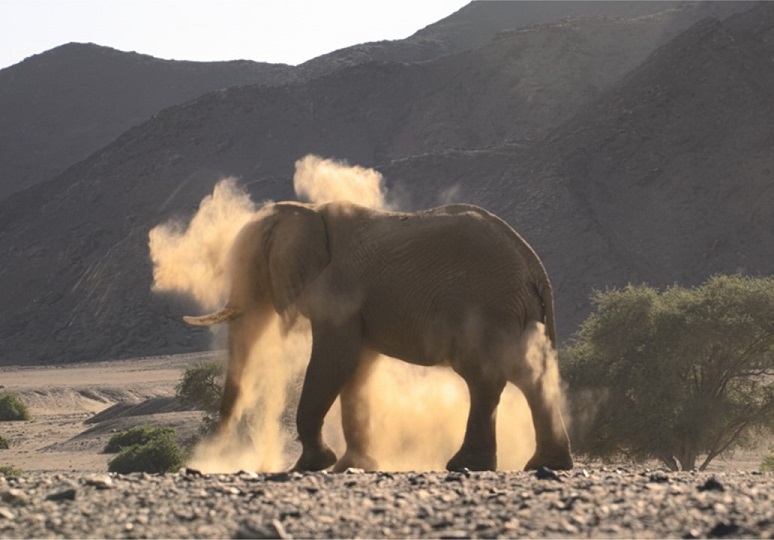
While other elephant species use water to cool down, desert elephants take sand baths for cooling. Sand not only acts as a natural sunscreen, but also helps remove parasites from their bodies.
Besides desert elephants, other desert animals also have their survival wisdom. Some of them search for food among the elephant herds’ leftovers.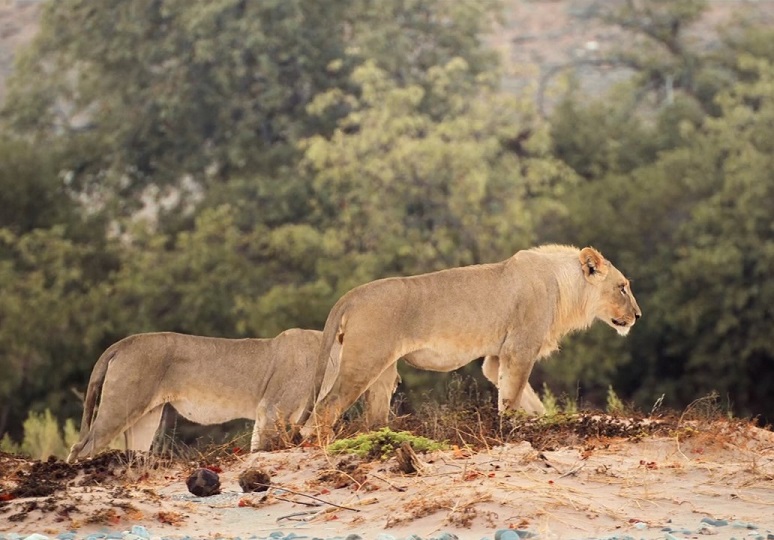
Hidden dangers lurk across the desert wilderness, and solitary creatures are particularly vulnerable. Even the massive desert elephants, if separated from their protective herd, might attract the attention of a pack of lions.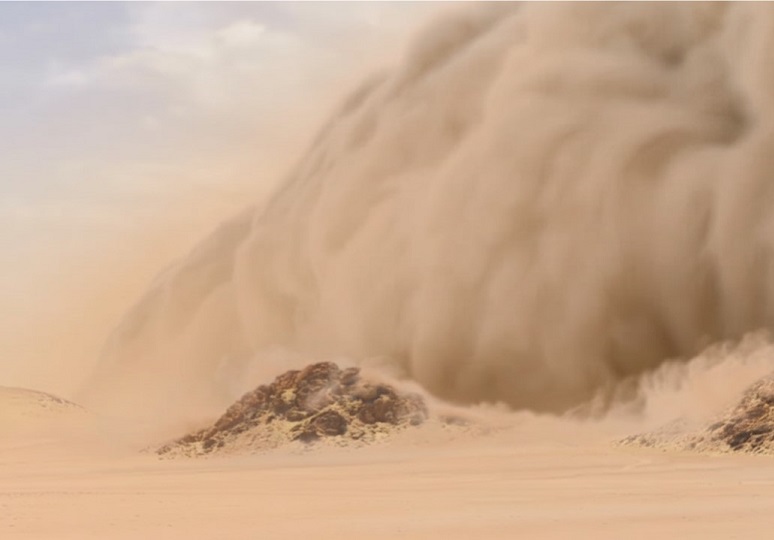
The wind and sand of Namib Desert create breathtaking landscapes and bring deadly threats. By sensing subtle vibrations in the ground through their feet, desert elephants are able to detect approaching dust storms which are still far away, and thus able to seek shelter in time.
Production & Copyright: DEFINITION STUDIOS
| Show: | Dome Show Desert Elephants: The Adventures of Little Foot |
| Show Period: | 15 December 2025 to 14 September 2026 |
| Show Schedule : |
Monday, Wednesday to Friday: 5:00pm Saturday, Sunday and public holiday: 11:00am, 3:30pm and 8:00pm Closed on Tuesdays (except public holiday), and the first two days of the Chinese New Year Christmas Eve and Chinese New Year’s Eve: closed at 5pm For more information on the show schedule of other shows, please refer to Space Theatre Show Schedule |
| Place: | Space Theatre, Hong Kong Space Museum |
| Admission Fees: | Standard Admission: $40 (stalls), $30 (front stalls) Concession Admission: $20 (stalls), $15 (front stalls)
|
| Show Duration: | 40 minutes |
| Language: | Sessions at 5:00pm on Wednesday (except public holiday) and 8:00pm on Sunday and public holiday are in English. All other sessions are in Cantonese. Audience can also select the following languages with the multi-channel headphone system: Cantonese, Putonghua and English |
| Ticketing: |
Please refer to "Ticketing Information"
|
| Seating plan: | Please refer to Space Theatre Seating Plan |
All programmes and prices are subject to change without prior notice.