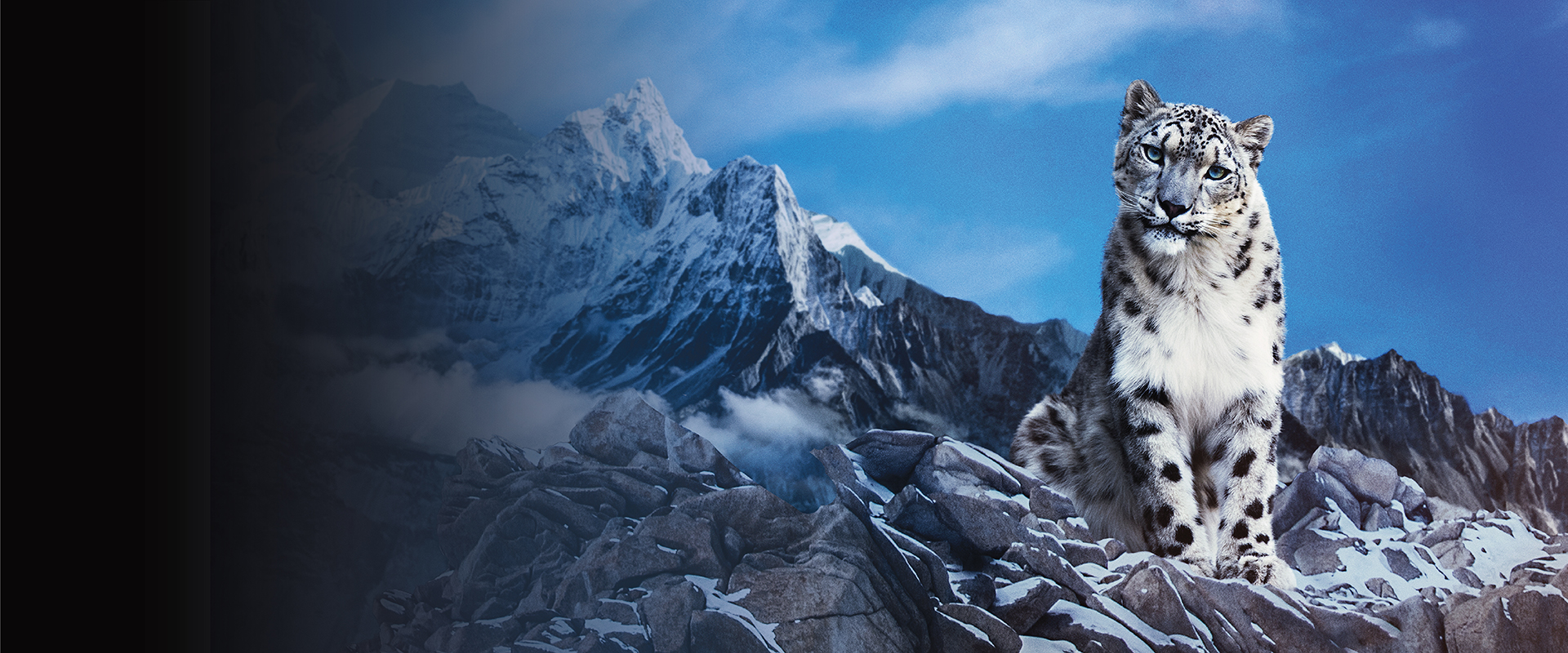
Across the expanse of Asia, all kinds of extreme environments coexist. From the rugged peaks of the Himalayas and the harsh Gobi Desert to the immense depths of the Pacific Ocean, the relentless dynamic between predator and prey never pauses within these extreme realms.
The Dome Show Wild Asia: Life at Extremes takes audiences to unseen wildernesses across breathtaking landscapes and mesmerising seas in Asia to uncover the ultimate survival philosophy of wildlife. Let’s track the elusive snow leopard near icy summits, the agile long-eared jerboa in deserts and the cute-yet-deadly sea bunny in deep seas. Every animal faces its own ultimate test of survival.
Join us under the dome screen for an immersive journey across Asia’s different corners to witness the extraordinary ways wildlife adapts and thrives against all odds, creating countless miracles of life within the world’s most challenging habitats.
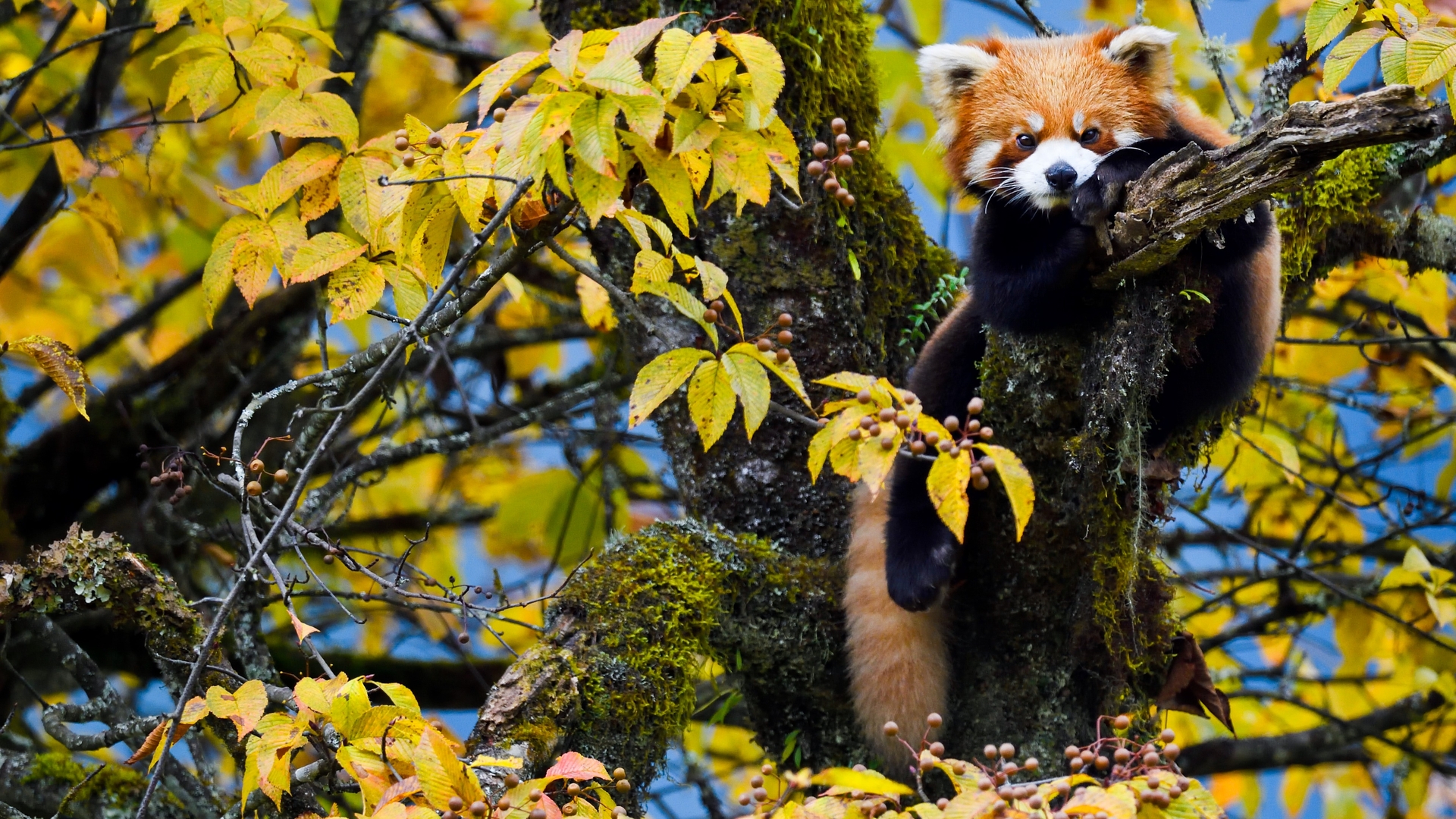
©Staffan Widstrand / Wild Wonders of China / naturepl.com
Red pandas are actually more closely related to raccoons than to giant pandas. In order to digest large quantities of bamboo, they spend most of their days in a simple routine: eat, sleep and repeat.
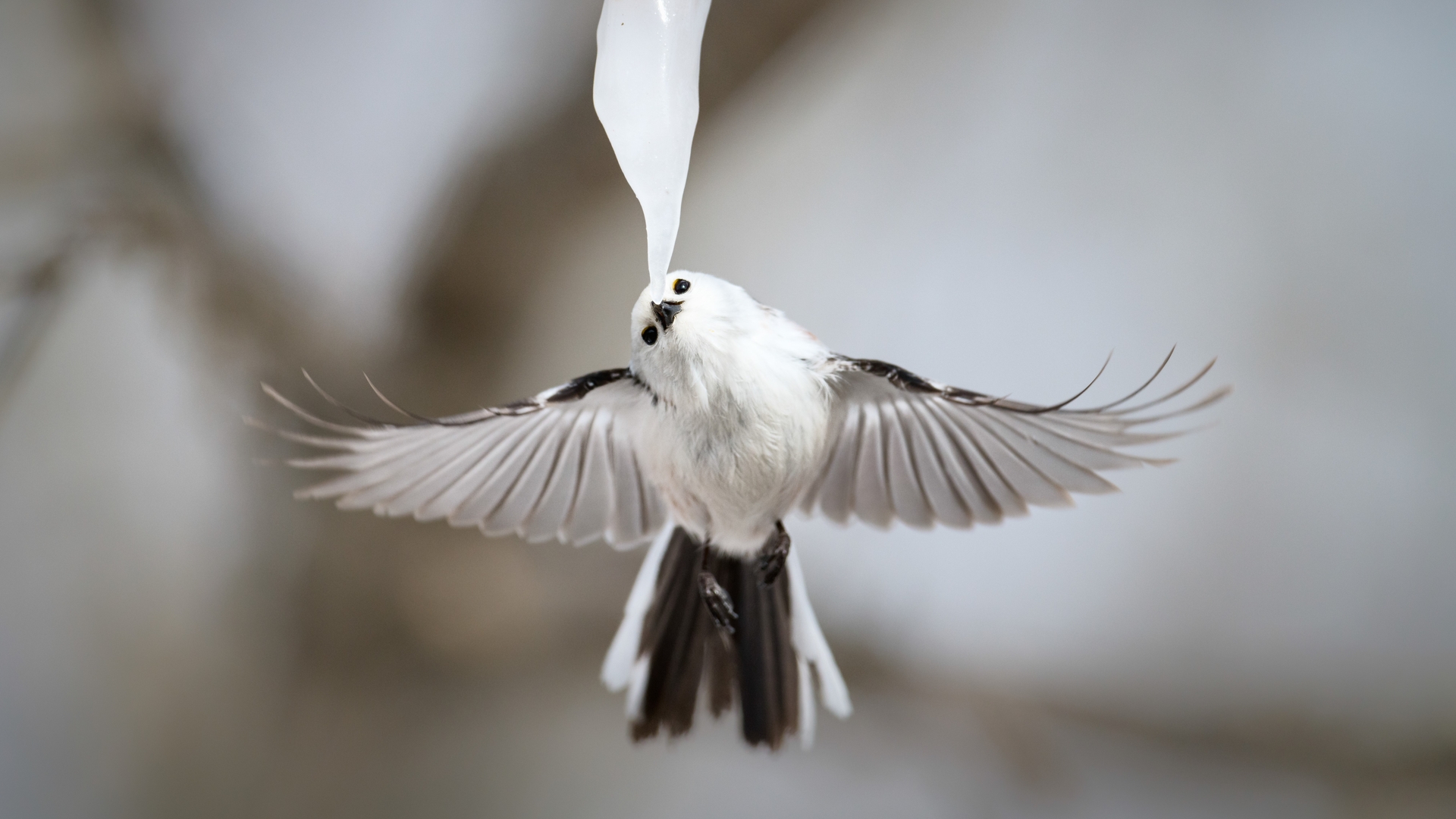
©Tony Wu / naturepl.com
In the freezing Japanese winter, this tiny long-tailed tit is feasting on an icicle formed from tree sap. These calorie-packed treats from nature are its sweetest comfort during the bitter cold.
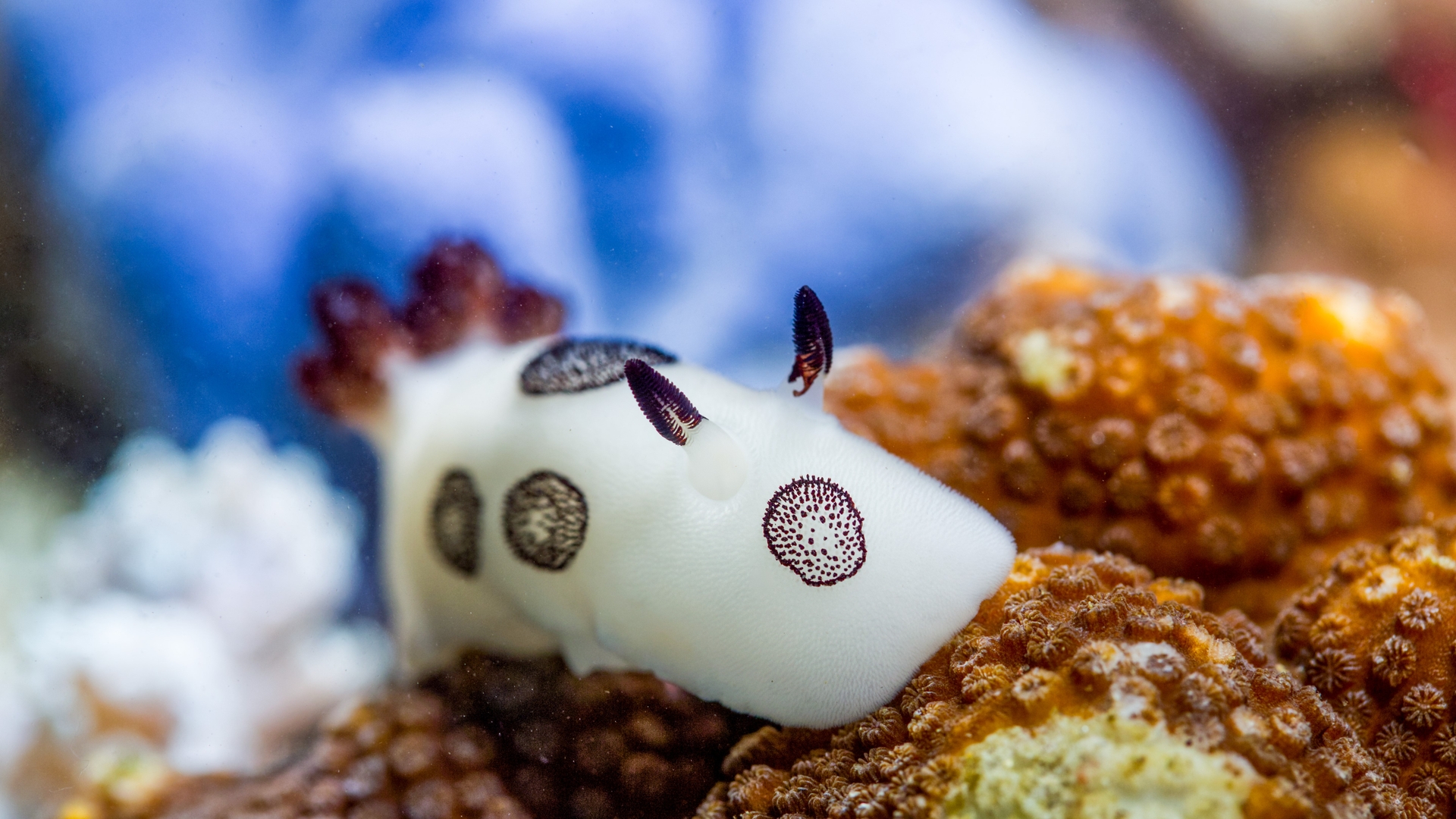
©BBC Studios / Stefan Hunt
In the treacherous depths of the Coral Triangle, this sea bunny, smaller than a thumb, appears completely defenceless, yet survives with ease. Its secret weapon lies in consuming highly toxic blue sponges and turning their toxins to its own advantage.
©BBC Studios / Joshua Cheng
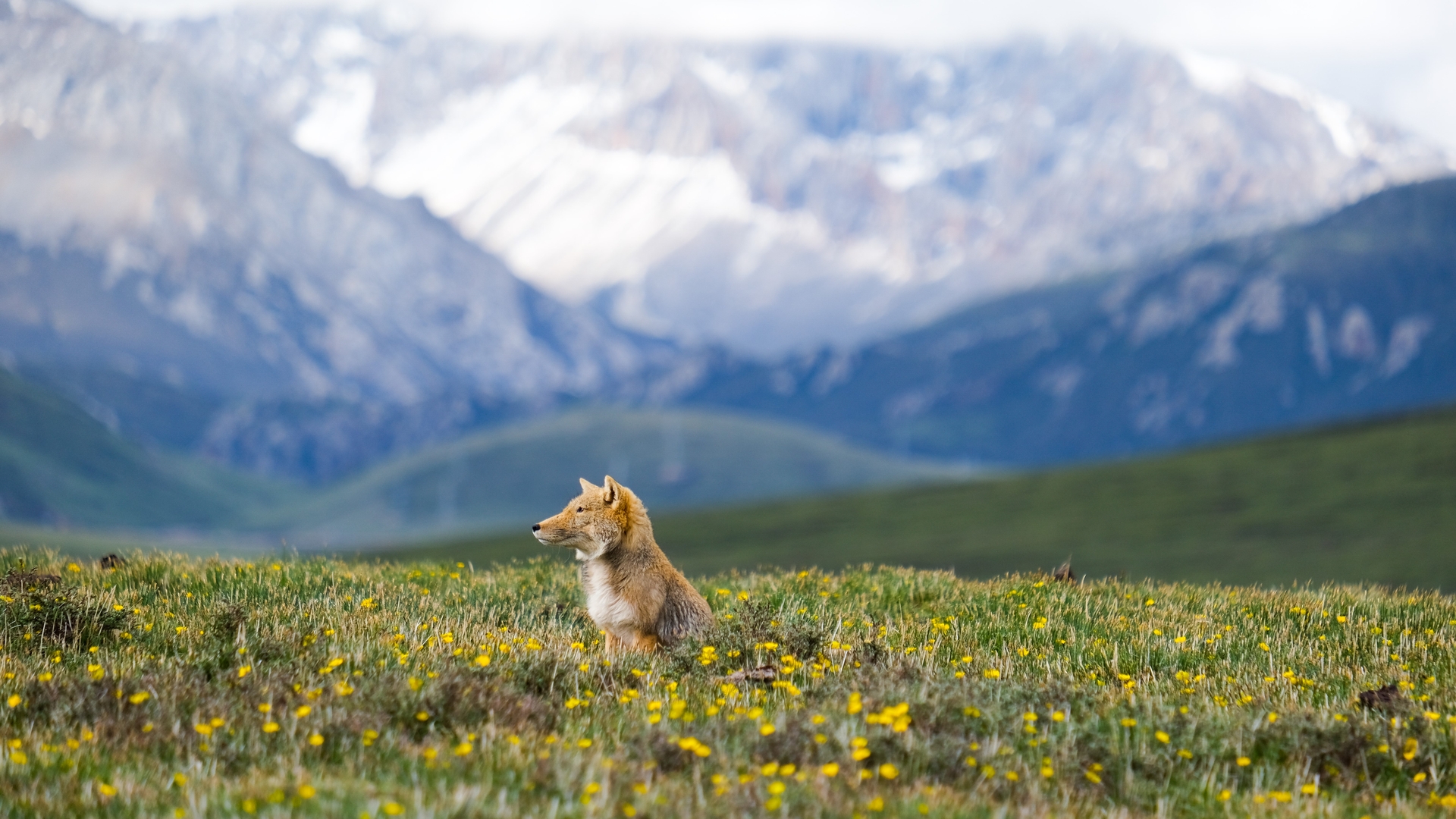
This mother Tibetan fox, even lighter than a house cat, faces tough challenges on the Tibetan Plateau, where the weather is unpredictable. With remarkable patience and alertness, she waits to hunt for her hungry cubs.
©BBC Studios / Kevin Flay
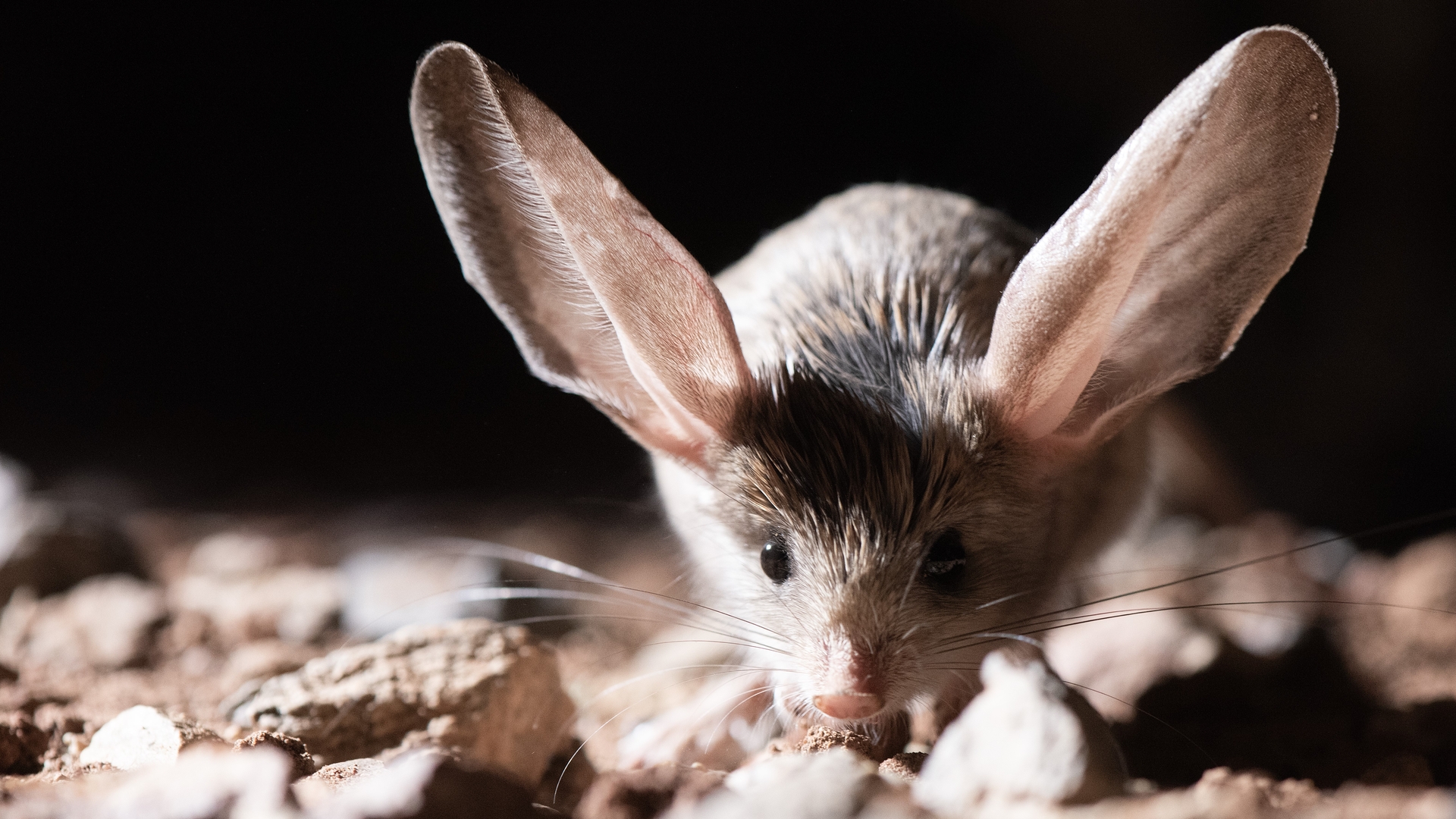
The long-eared jerboas look like a magical combination of various animals. These very features, however, enable them to use their extraordinary senses to track down prey with precision in the dark Gobi Desert.
©BBC Studios / Henry Lin
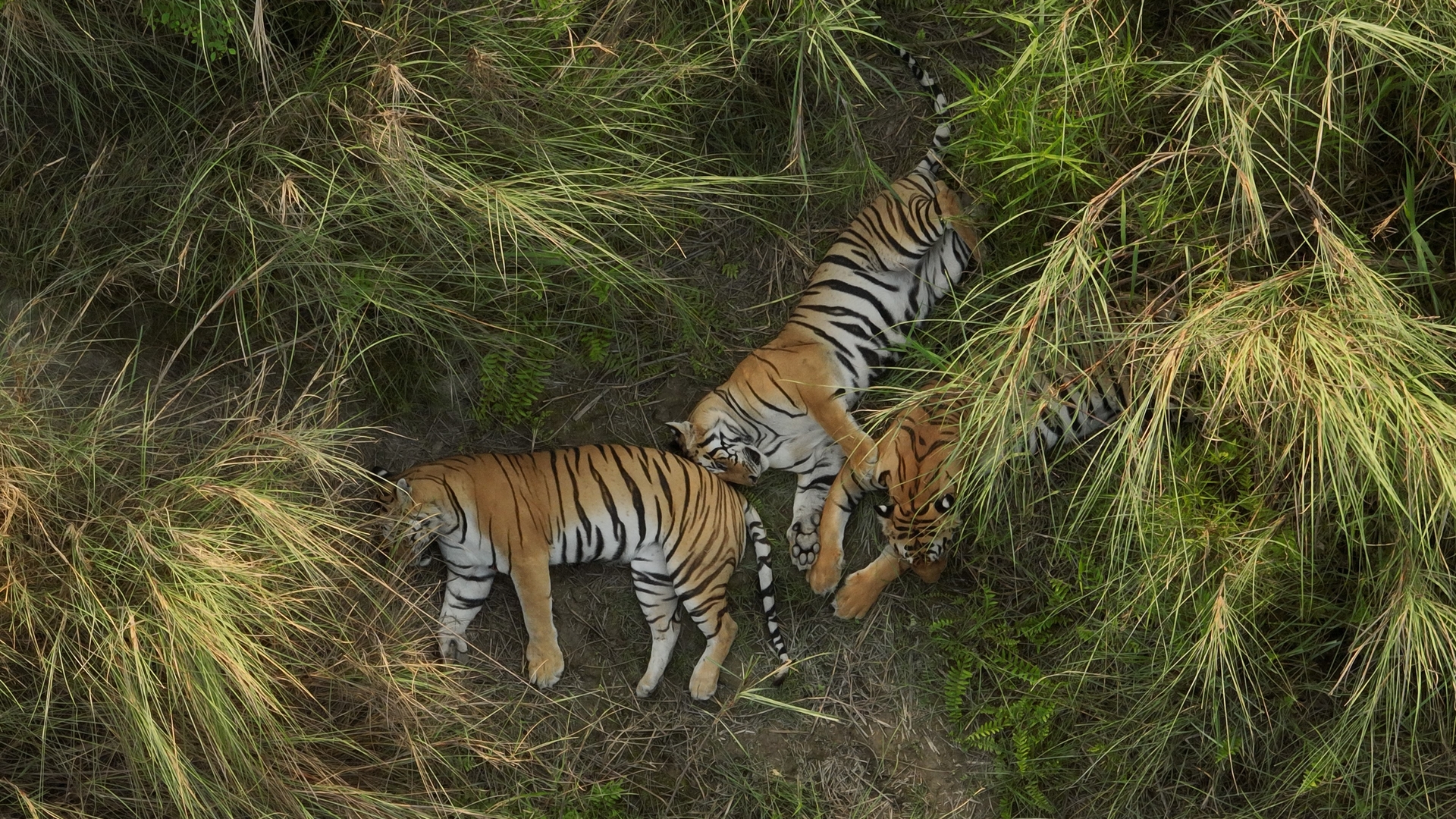
Most prey of the Bengal tigers are colourblind. To these animals, orange and green appear almost identical. Bengal tigers’ bold orange and black stripes provide a perfect natural camouflage in the grass for them to stalk their prey.
©BBC Studios / Ben Harris
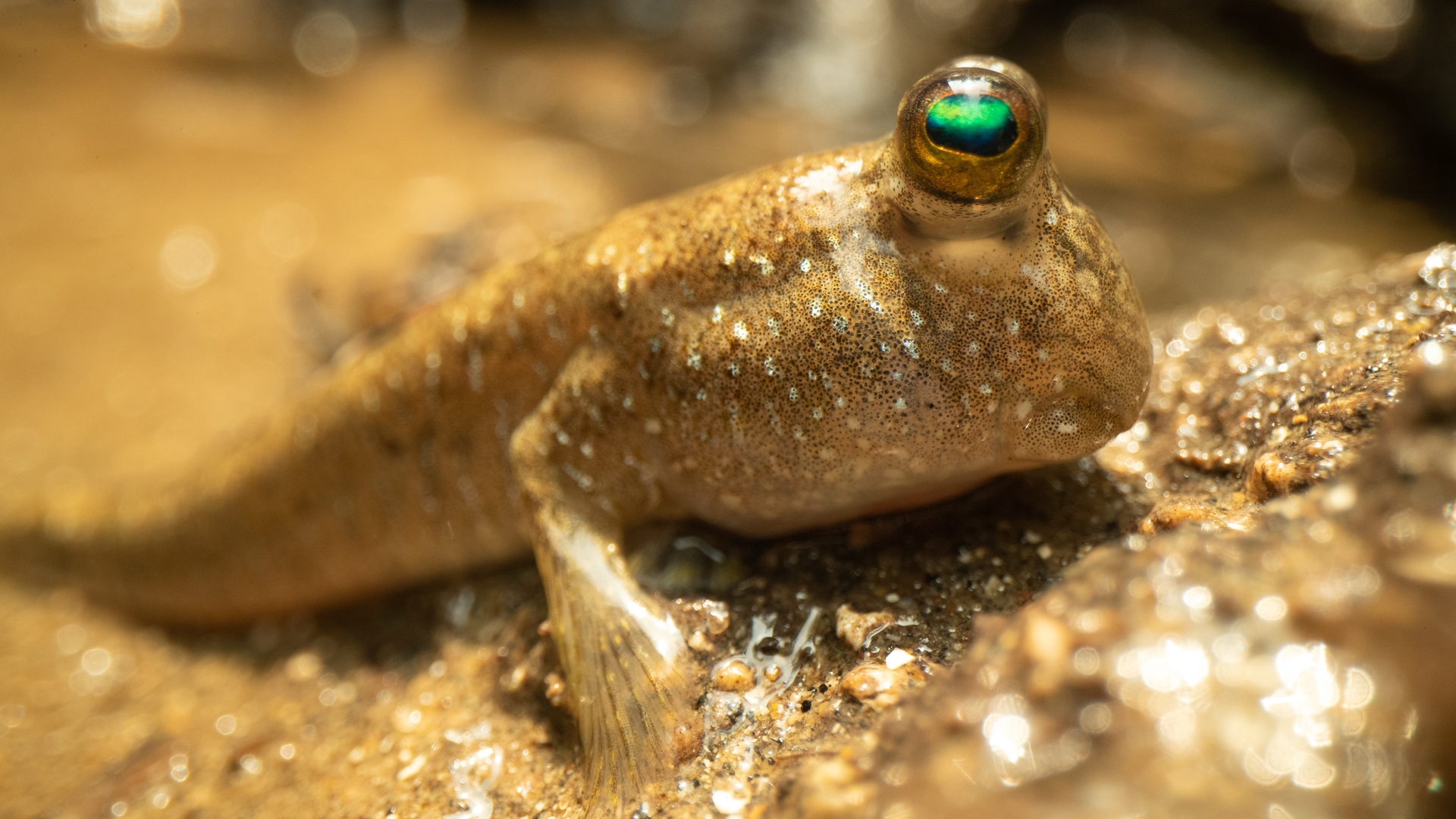
Inhabiting mangrove swamps, mudskippers spend most of their lives out of the water. They can breathe on land through their skin and even climb trees to find food or escape from predators, perfectly demonstrating their outstanding adaptability in this extreme habitat.
Production & Copyright: BBC Earth
| Show: | Dome Show Wild Asia: Life at Extremes |
| Show Period: | 16 September 2026 to 14 June 2027 |
| Show Schedule : |
Monday, Wednesday to Friday: 5:00 pm Saturday, Sunday and public holiday: 11:00 am, 3:30 pm and 8:00 pmClosed on Tuesdays (except public holiday), and the first two days of the Chinese New Year Christmas Eve and Chinese New Year’s Eve: closed at 5 pm For more information on the show schedule of other shows, please refer to Space Theatre Show Schedule |
| Venue: | Space Theatre, Hong Kong Space Museum |
| Admission Fees: | Standard Admission: $40 (stalls), $30 (front stalls) Concession Admission: $20 (stalls), $15 (front stalls)
|
| Show Duration: | 43 minutes |
| Language: | Sessions at 5:00 pm on Wednesday (except public holiday) and 8:00 pm on Sunday and public holiday are in English. All other sessions are in Cantonese. Audience can also select the following languages with the multi-channel headphone system: Cantonese, Putonghua and English |
| Ticketing: |
Please refer to "Ticketing Information"
|
| Seating plan: | Please refer to Space Theatre Seating Plan |
All programmes and prices are subject to change without prior notice.